Thailand Digital Nomad Visa: The 2026 DTV Guide
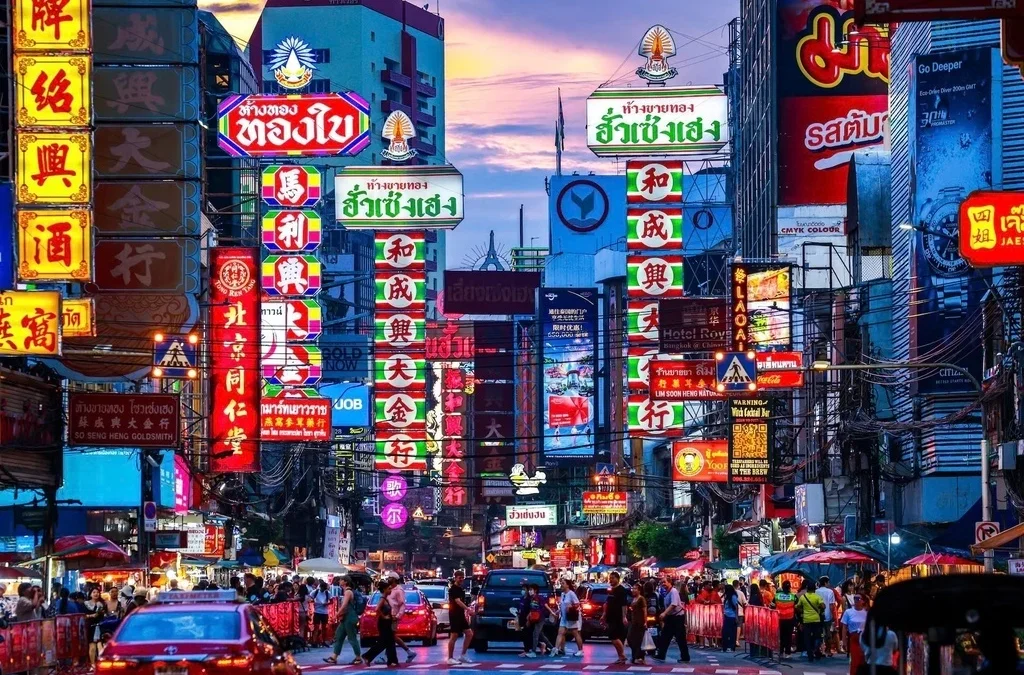
The Thailand digital nomad visa is the Destination Thailand Visa, or DTV — a five-year, multiple-entry visa that finally gives remote workers a clean, legal way to live in Thailand for long stretches. It also happens to be one of the few programs where wellness and nature are written into the rules: the official activity list includes medical treatment and other wellness-adjacent pursuits, not just laptop work. Here’s how it works in 2026, including a recent change in where you can apply.
What the Thailand Digital Nomad Visa (DTV) Actually Is
According to KPMG Thailand’s summary of the announcement, the Thailand digital nomad visa is a five-year multiple-entry visa permitting stays of up to 180 days per visit, with the option to extend each stay by a further 180 days through Thai Immigration. It’s open to digital nomads and remote workers, as well as people joining activities such as Muay Thai, cooking classes, sports training, medical treatment, and seminars, and the holder’s spouse and dependent children can be included. After the maximum stay, you leave the country and can re-enter on the same visa within its five-year validity.
The Thailand Digital Nomad Visa’s ฿500,000 Funds Rule
The financial test is the part of the Thailand digital nomad visa that causes the most refusals. Destination Thailand’s 2026 guide (figures verified 28 July 2026) puts the requirement at ฿500,000 — about US$16,000, £11,000, or €15,000 — while other 2026 guides quote anywhere from roughly $14,000 to $17,000 depending on the exchange rate, so treat any single dollar figure as approximate. Per Issa Compass, the evidence is a six-month statement from a personal bank account showing the ฿500,000 maintained for at least the last three months. Thai Embassy’s guide adds that cryptocurrency and investment-based statements are not accepted as proof of funds. Embassy requirements vary, so check the one that will actually handle your file.
After approval, the picture is less clear-cut. Asia Long Stay’s audit found no official source requiring you to keep ฿500,000 untouched for all five years, but practitioner sources report Immigration may ask for an updated statement when you apply for the 180-day extension. Plan on having the funds available at that point.
A New Application Rule From August 2026
One 2026 update to the Thailand digital nomad visa is worth knowing before you book anything. Issa Compass, in a guide updated 31 August 2026, reports that the DTV can now only be applied for through the Thai embassy or consulate covering your country of citizenship or your country of legal residence — not any other. Applications are also e-visa only and must be filed from outside Thailand, according to The Thaiger, which also notes that language schools no longer qualify under the “soft power” category. Because this location rule is reported by a single guide, confirm it with the embassy that covers you before you apply.
Costs and Extensions
The government fee for the Thailand digital nomad visa is ฿10,000 per person, charged locally, so the amount in your currency varies by embassy — Destination Thailand lists examples of £300, US$400, and €350. Extending a stay by another 180 days costs ฿1,900. Each dependent — a spouse or unmarried child under 20 — pays their own fee, according to The Thaiger, and Issa Compass reports that household funds scale up with dependents.
Work Rights and the Tax Question
The Thailand digital nomad visa allows remote work for foreign employers or clients only; Thai employment and a Thai work permit are not covered, per Destination Thailand’s guide. Tax needs separate attention. Expatica’s 2026 guide notes that spending 180 days or more in Thailand in a tax year can make Thai tax residence relevant, especially if you remit funds into Thailand. If you plan to stay close to the full 180 days — or beyond with an extension — speak to a cross-border tax adviser before you commit.
Where to Base Yourself for Nature and Healing
Two bases stand out for the restorative angle once your Thailand digital nomad visa is approved. Chiang Mai is ringed by mountains, so hikes between calls are easy, according to Chiang Rai Times, which cites internet speeds of 80 to 150 Mbps at coworking spaces like Punspace. YourNewBase’s 2026 guide puts a typical monthly budget at $800–1,200, with one caveat: avoid February to April because of severe air pollution. For beaches and a wellness focus, OutThailand’s guide to Koh Phangan describes some of Thailand’s best snorkeling and yoga retreats, with a single-nomad budget of roughly ฿35,000–70,000 per month (about US$1,060–2,120). Chiang Rai is a quieter alternative to Chiang Mai, per Chiang Rai Times’ regional guide.
Thailand Digital Nomad Visa vs the LTR Visa
Thailand also offers the Long-Term Resident (LTR) “Work from Thailand” visa, but the two target different people. According to Emerhub’s comparison, the DTV suits remote workers and freelancers on any income who can show ฿500,000, with a ฿10,000 fee, while the LTR requires US$80,000 a year in income and employment with a well-established firm, with a ฿50,000 fee. For most people reading this guide, the Thailand digital nomad visa is the realistic option.
How Thailand Compares to Other Destinations We’ve Covered
If you’re weighing Southeast Asia, our Malaysia digital nomad visa guide covers a shorter, income-tiered program, while our Bali digital nomad visa guide covers Asia’s largest established nomad community. For the wider field, our best digital nomad countries roundup places Thailand’s five-year runway against Spain, Portugal, and the rest. The Thailand digital nomad visa’s edge is duration: five years of multiple entries is far longer than most competing programs offer.
The Bottom Line on the Thailand Digital Nomad Visa
The Thailand digital nomad visa offers one of the longest runways in the world for remote workers — five years, a modest ฿500,000 funds test, and bases ranging from mountain cafés to island yoga retreats. The traps are in the details: the funds evidence, the 180-day tax threshold, and the embassy-specific rules that keep shifting. Check each against the embassy that will process your application, and Thailand is a genuinely restorative place to work from.
Sources:
- KPMG Thailand — Thai Tax News Flash, Issue 147: Destination Thailand Visa
- Destination Thailand — Destination Thailand Visa (DTV) 2026: Requirements & Guide, verified July 2026
- Issa Compass — Thailand DTV Visa 2026: Requirements, Documents and How to Apply, updated August 31, 2026
- Thai Embassy — Destination Thailand Visa (DTV) 2026: Official Guide and Requirements
- The Thaiger — Thailand DTV Visa 2026: Requirements, Cost and How to Apply
- Asia Long Stay — Destination Thailand Visa (DTV): Requirements and How to Apply in 2026
- Expatica Thailand — Thailand DTV Visa (2026): Requirements, Costs and Money Guide
- Emerhub — Thailand DTV Visa 2026
- Chiang Rai Times — How to Become a Digital Nomad and Live in Thailand 2026
- YourNewBase — Chiang Mai Digital Nomad Guide (2026)
- OutThailand — Koh Phangan Digital Nomad Guide 2026