Dominica Work in Nature Visa: The 2026 Guide

Most digital nomad visas are named after bureaucratic categories. Dominica named theirs after the actual point of going there. The Dominica Work in Nature visa — WIN for short — isn’t a marketing gimmick layered on top of a generic remote-work permit; it’s a program built from the ground up around the idea that relocating somewhere should genuinely restore you, not just relocate your laptop. Dominica currently ranks second globally in Passportivity’s 2026 Digital Nomad Visa Index, just behind New Zealand, according to NatLawReview’s coverage of the ranking.
What the WIN Visa Actually Is
Launched in April 2021, the Work in Nature visa was one of the Caribbean’s earliest dedicated digital nomad programs, according to Mirabello Consultancy’s 2026 guide. It allows remote workers, freelancers, and business owners employed outside Dominica to live on the island for up to 18 months — notably longer than the standard 12-month visas most competing programs offer, per Digital Nomad Calc’s breakdown. As with virtually every program on this list, working for a Dominica-based employer isn’t permitted under this visa category.
Income Requirements and Costs
The income threshold sits at $50,000 USD per year, according to multiple 2026 sources including NomadGirl’s breakdown and Digital Nomad Calc’s guide — demonstrated through an employment letter or, for self-employed applicants, recent bank statements and proof of business standing. Costs are straightforward: a $100 non-refundable application fee, plus a visa fee of $800 for individual applicants or $1,200 for families, per Digital Nomad Calc’s current pricing.
What You’ll Need to Apply
Required documents include your passport’s biodata page, a bank reference letter, proof of employment or business ownership, police records from every jurisdiction you’ve lived in over the past five years, valid health insurance covering your stay in Dominica, and proof of local accommodation, according to NomadGirl’s checklist. All documents need to be in English, with certified translations required for anything that isn’t.
The Nature That Gave This Visa Its Name
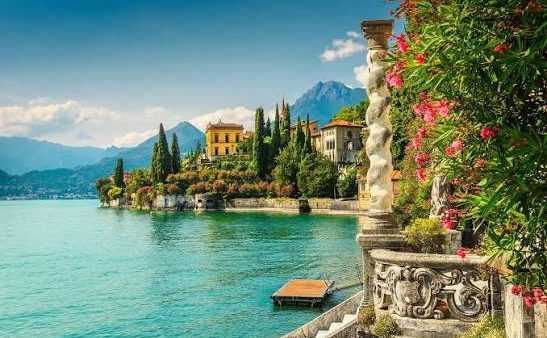
This is genuinely not a branding exercise. Dominica is nicknamed “the Nature Island” of the Caribbean, according to Lonely Planet’s coverage of the visa’s launch — a title earned rather than marketed. The island served as the filming location for an entire Pirates of the Caribbean installment, drawing attention to its untouched rainforest, volcanic landscapes, and distinctive black sand beaches, per NomadGirl’s description. Unlike most Caribbean destinations built around resort-style beach tourism, Dominica’s appeal centers on hiking through rainforest canopy, hot springs fed by volcanic activity, and a coastline still largely free of large-scale development — a genuinely different register from the beach-club scene that defines many other nomad hotspots.
A Genuinely Family-Friendly Program
Dominica built real family infrastructure into this visa rather than treating dependents as an afterthought. According to Stamped Nomad’s 2026 guide, the WIN visa is described as the “gold standard for families” among Caribbean nomad programs — allowing spouses, children under 18, and even fully dependent relatives to join the primary applicant, with a dedicated family bundle program specifically designed to get children enrolled in local schools rather than leaving education as a logistical afterthought.
Cost of Living and Connectivity
Stamped Nomad’s guide puts a comfortable monthly budget around $2,150, with internet speeds averaging 179 Mbps and strong English proficiency across the island — genuinely solid numbers for a Caribbean destination, and Dominica is an English-speaking nation to begin with, removing a language barrier that complicates several other destinations on this list.
An Optional Path to Something More Permanent
If an 18-month stay leaves you wanting to put down deeper roots, Dominica also runs one of the Caribbean’s longest-established Citizenship by Investment programs, offering permanent status through a $200,000 contribution, according to Mirabello Consultancy’s guide. The WIN visa and the CBI program are entirely separate tracks — the nomad visa suits a genuine trial stay, while the investment route is a different, much larger commitment for people who fall in love with the island and want to stay for good.
How Dominica Compares to Other Nature-First Destinations
If restorative, nature-centered relocation is specifically what you’re after, it’s worth comparing Dominica against our other guides in this vein. Our Costa Rica digital nomad guide covers a destination built around Blue Zone longevity culture on the mainland, while our Slovenia digital nomad visa guide covers an Alpine, forest-first option in Europe. Dominica’s edge is specificity — it’s the only program on this list where “nature” isn’t just marketing language layered onto an otherwise generic visa, but the literal, stated purpose of the program itself.
The Bottom Line
The Dominica Work in Nature visa does something few competing programs manage: it matches its branding with its actual substance. An 18-month stay, genuine family infrastructure, strong connectivity for a Caribbean destination, and an island built around rainforest and volcanic landscape rather than resort development make this one of the more distinctive options for remote workers who want their relocation to feel like an actual reset rather than a change of backdrop.
Sources:
- NatLawReview — 48 Countries for Remote Workers in 2026: Passportivity Digital Nomad Visa Index
- Mirabello Consultancy — Dominica Work in Nature: Digital Nomad Programme + Citizenship Path Explained, 2026
- Digital Nomad Calc — Complete Guide: Dominica Work in Nature (WIN) Visa
- NomadGirl — Dominica Digital Nomad Visa Explained – Work in Nature
- Stamped Nomad — Dominica Digital Nomad Visa Guide 2026
- Lonely Planet — Work remotely on the Caribbean island of Dominica with a new visa