Emergency Fund Tracker | IKON Media 8-Week Result
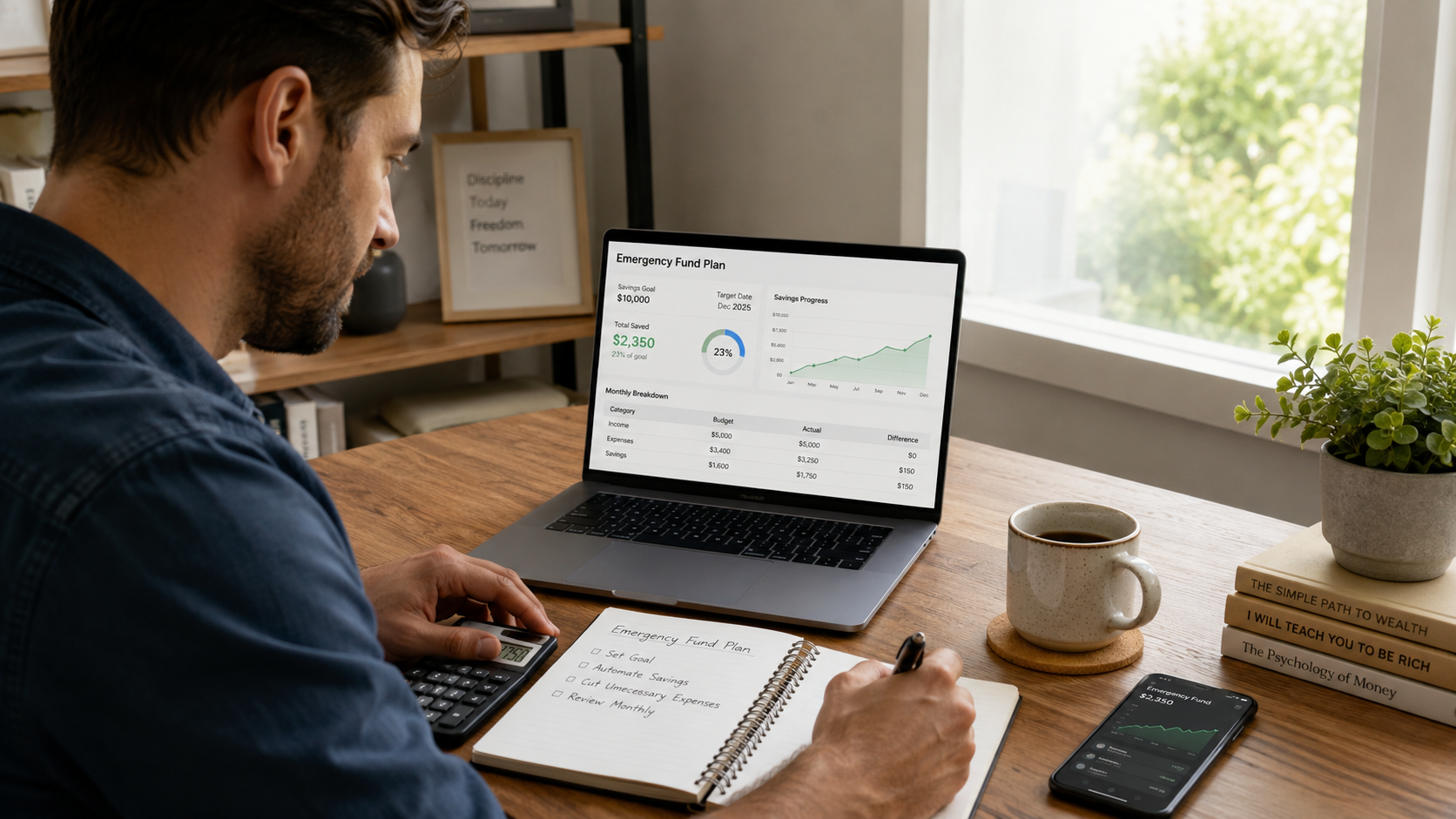
I started building an emergency fund after one small financial surprise showed me how unprepared I really was.
This situation was not a life-changing emergency. I didn’t experience any job loss, major medical bills, or serious disasters. Instead, a sudden car repair arrived at the worst possible time. While the amount was manageable, it was still large enough to disturb my monthly budget.
At first, I blamed the timing.
However, after looking at my finances more honestly, I realized the real problem was not the repair bill. The problem was that I did not have a proper emergency fund.
I had income coming in. I had regular expenses. I even had a rough budget. But I did not have money set aside specifically for unexpected costs.
That bothered me because I was not trying to be careless with money. I simply had no clear system for handling financial surprises.
So I decided to run a small personal finance experiment. For 8 weeks, I tested different ways to build an emergency fund without making my budget feel impossible. I tried small weekly savings, a separate savings account, automatic transfers, spending cuts, and a simple expense review.
Some methods worked better than expected. Others sounded smart at first but were harder to maintain in real life.
This is what I learned.
Table of Contents
Why I Decided to Build an Emergency Fund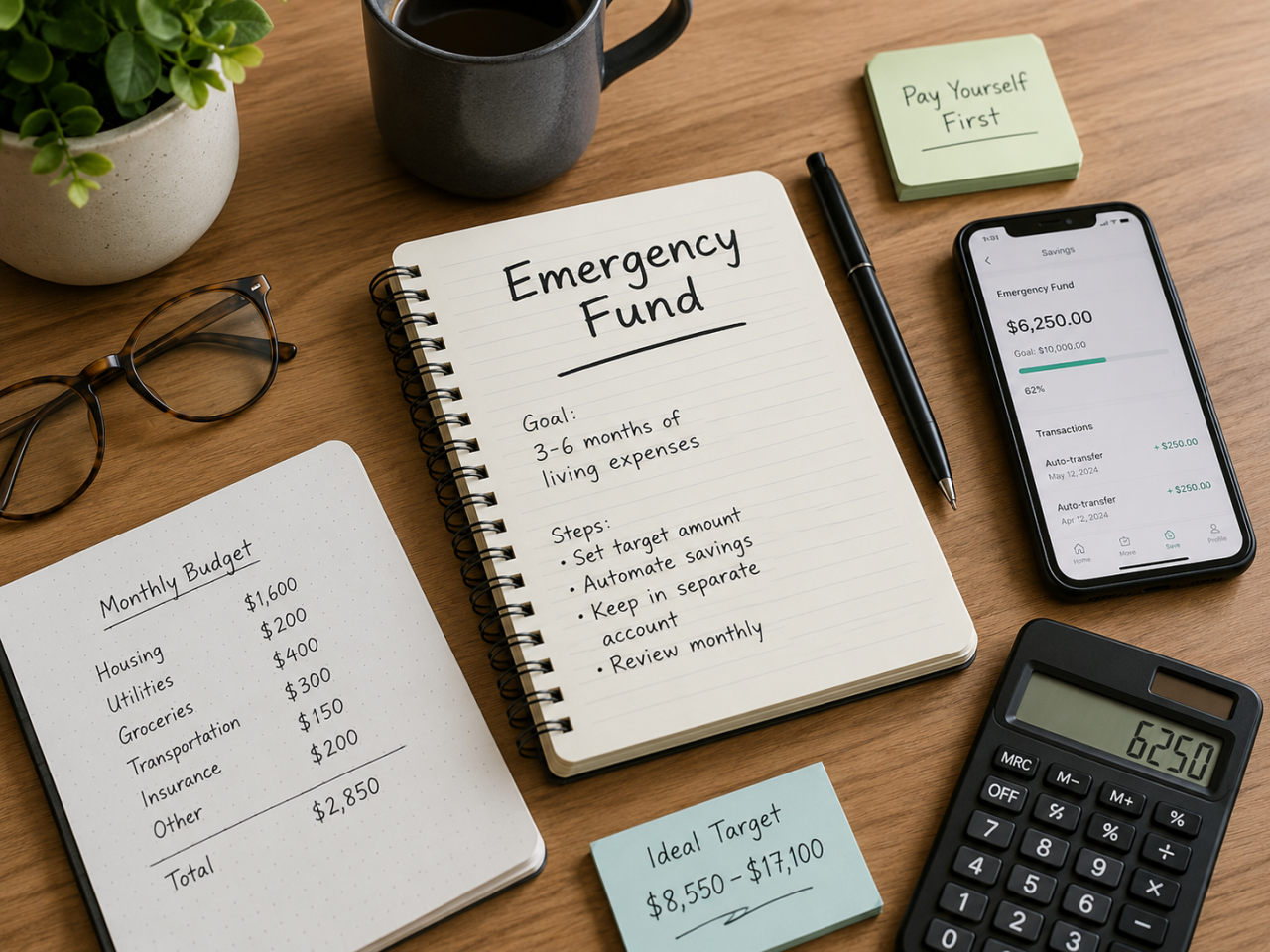
The main reason was simple: I wanted to stop treating every unexpected expense like a crisis.
Before starting this experiment, I handled surprise costs in whatever way seemed easiest at the time. For instance, I occasionally used money from my regular checking account or delayed another expense to make room. Whenever the timing was really bad, using a credit card became an option.
An emergency fund gave me a different goal. Rather than hoping nothing would go wrong, I wanted to prepare for the reality that something eventually would.
This mindset changed how I viewed saving. Personally, I was not trying to restrict myself. The main goal was simply to gain more control when life became inconvenient.
If you are new to personal finance, you can also explore more practical money guides in our Finance category.
What I Expected Before Testing an Emergency Fund Plan
Before I started, I expected the hardest part would be finding extra money.
That was partly true.
However, the bigger challenge was consistency.
Saving once was easy. Saving every week required a better system.
I also expected that building an emergency fund would feel slow and frustrating. In the beginning, it did. Watching a small balance grow little by little was not exciting.
But after a few weeks, the fund started to feel useful even before it became large.
That surprised me.
Even a small emergency fund changed how I reacted to unexpected costs. I felt less anxious because I knew I had already started building a financial cushion.
The Consumer Financial Protection Bureau explains that having savings can help people handle financial shocks more safely by setting up a dedicated rainy day fund.
What I Tested While Building an Emergency Fund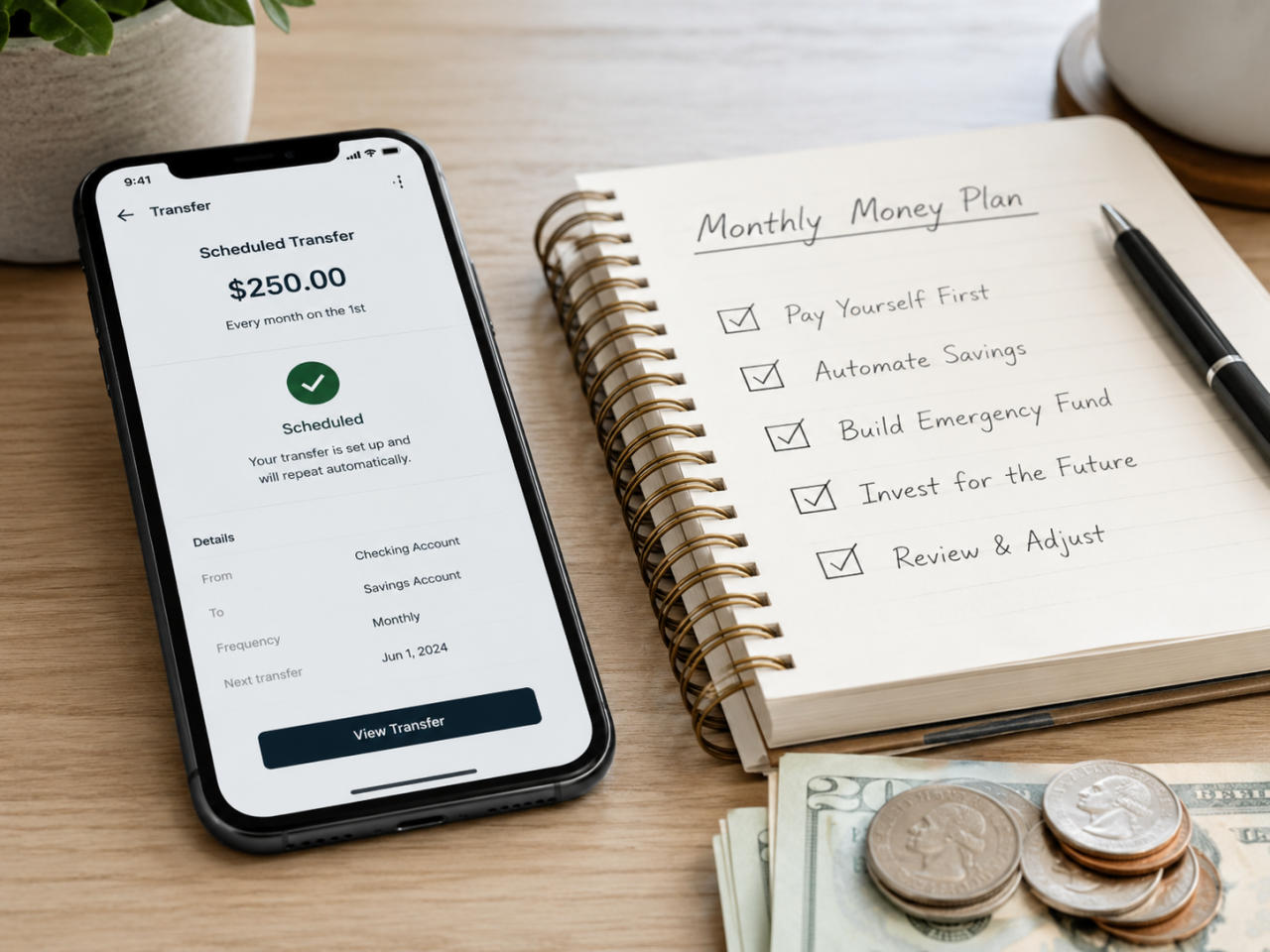
Rather than relying on just a single method, I decided to test several different approaches to see what worked.
A Separate Emergency Fund Account
First, I opened a separate savings account for the emergency fund.
This move was essential because keeping emergency savings inside my regular checking account made the money too easy to spend. Whenever the money sat next to my daily spending balance, it simply did not feel protected.
Having this dedicated account created a small mental barrier. The extra step helped more than I expected. As a result, the cash felt assigned to one purpose: emergencies only.
Weekly Manual Transfers
For the next phase, I tried moving money manually once a week.
Doing this helped me stay aware of the process. Every transfer reminded me that I was building something useful.
However, manual transfers also required discipline. During especially busy weeks, I nearly forgot to move the money altogether. Whenever expenses ran high, I found myself negotiating with the plan.
Manual transfers worked, but only when I paid close attention.
Automatic Savings
Following those tests, I shifted to automatic transfers.
Setting this up proved to be the easiest method to maintain.
Once scheduled, I didn’t have to think about it weekly. The balance grew without needing a fresh decision each time.
Automation removed emotion from the process.
Automation ultimately made saving feel less like a sacrifice. It felt more like a normal bill paid to my future self.
Cutting Small Expenses
I also reviewed my spending to find small areas to reduce.
I did not want to make extreme cuts. Instead, I focused on expenses that were easy to adjust, such as unused subscriptions, impulse purchases, extra delivery fees, and small purchases I barely remembered later.
The strategy helped create extra room without making the budget feel painful.
Using a Starter Goal
At first, I wanted to save several months of expenses immediately.
That sounded responsible, but it felt too big.
So I created a smaller first goal. This approach helped a lot. In reality, a full emergency fund can feel overwhelming, while a starter goal feels reachable.
My Evaluation Criteria for an Emergency Fund
To keep the experiment practical, I judged each method using five criteria.
Was it easy to start?
Was it easy to maintain?
Did it reduce financial stress?
Did it fit my current budget?
Would I continue doing it after the experiment?
This mattered because an emergency fund only works if the system can survive normal life.
A perfect savings plan that fails after two weeks is not useful.
The First Thing I Learned: A Small Emergency Fund Still Helps
Before this experiment, I thought an emergency fund only mattered once it reached a large amount.
That assumption was wrong.
Even a small emergency fund helped.
It did not solve every possible financial problem. However, it gave me breathing room.
For example, if a small urgent expense appeared, I no longer had to disturb my entire monthly budget immediately. That gave me more confidence.
Many finance guides talk about building enough emergency savings to cover several months of essential expenses. That is a useful long-term goal. However, starting with a smaller amount can make the process feel more realistic.
We can also look at guidance from Investor.gov regarding the difference between saving and investing, which matters because emergency money usually needs to be safe and accessible rather than exposed to market volatility.
For a beginner, the first goal does not need to be perfect.
It just needs to create momentum.
The Second Thing I Learned: Separate Accounts Make Saving Easier
Keeping the emergency fund separate from daily spending was one of the best decisions I made.
When all money sits in one account, it becomes harder to know what is truly available to spend.
A separate emergency fund made the money feel assigned to a specific purpose.
That made it easier to leave alone.
This was not just a banking decision. It was a behavior decision.
The separate account helped me stop treating every available dollar as spendable.
If you want to understand how we approach finance content and reader guidance, you can also visit our About Us page.
The Third Thing I Learned: Automation Beat Motivation
I wanted to believe motivation would carry the plan.
It did not.
Some weeks were busy. Some weeks were expensive. Other weeks, I simply did not feel like thinking about money.
Automatic transfers solved that problem.
Once I scheduled the transfer, the emergency fund kept growing without requiring a new decision every time.
That was the biggest practical win of the entire experiment.
Motivation helped me start.
Automation helped me continue.
What Surprised Me Most About Building an Emergency Fund
The biggest surprise was emotional.
I expected the emergency fund to help with money. I did not expect it to change how I felt about money.
After a few weeks, I noticed less stress when checking my accounts.
The fund was still small, but it represented progress.
That feeling mattered.
Another surprise was how much small spending added up. I did not need to completely change my lifestyle. I only needed to redirect money that was already leaking out in small ways.
Finally, I learned that an emergency fund is not only for dramatic emergencies.
It can also help with ordinary financial interruptions.
That includes car repairs, medical appointments, home fixes, travel changes, urgent family needs, and temporary income gaps.
For basic financial planning, Consumer.gov provides simple budgeting and saving guidance for everyday users looking to build a financial cushion.
Mistakes I Almost Made With My Emergency Fund
I nearly made several mistakes during the process.
Mistake 1: Setting the First Goal Too High
At first, I wanted to save several months of expenses immediately.
That goal made sense on paper.
However, it also felt overwhelming.
A smaller starter goal worked better because it gave me an early win.
Mistake 2: Keeping the Money Too Accessible
When emergency savings sits inside a regular checking account, it becomes easy to spend.
Moving the money to a separate account helped protect it.
The money was still available if I truly needed it, but it was not sitting directly beside my daily spending money.
Mistake 3: Saving Only What Was Left Over
I used to think I would save whatever remained at the end of the month.
That rarely worked.
Something always came up.
Saving first, even in a small amount, worked much better.
Mistake 4: Not Defining an Emergency
At first, I had no clear rule for what counted as an emergency.
That was risky.
Without a rule, almost anything can feel urgent.
So I decided the fund was only for necessary, unexpected, and time-sensitive expenses.
That helped protect the balance.
What Actually Worked Best
The best emergency fund strategy was simple:
A separate account, automatic transfers, and a small starter goal.
That combination worked because it reduced friction.
The separate account protected the money.
The automatic transfer created consistency.
The starter goal made progress feel realistic.
Together, those three choices made saving much easier than relying on willpower.
This was the most important lesson of the experiment.
The best system was not the most complicated one.
It was the one I could actually repeat.
How Much Should You Keep in an Emergency Fund?
There is no single perfect number for everyone.
A common guideline is to save enough to cover three to six months of essential expenses. However, that target can feel intimidating when you are starting from zero.
Based on my experience, a more practical approach is to build in stages.
Start with a small emergency fund.
Then aim for one month of essential expenses.
After that, work toward three months.
Eventually, if your income is unstable or you have dependents, you may want a larger cushion.
The right emergency fund depends on your job stability, monthly expenses, family responsibilities, debt, health needs, and comfort level with risk.
My Simple Emergency Fund Checklist
If I were starting again, I would use this checklist.
Step 1: Choose a Starter Goal
Pick a number that feels reachable.
It could be $500, $1,000, or one week of essential expenses.
The exact number matters less than starting.
Step 2: Open a Separate Account
Keep emergency savings away from daily spending money.
This makes it easier to protect.
Step 3: Automate the Transfer
Schedule a small transfer every payday or every week.
Automation helps remove hesitation.
Step 4: Review Monthly Expenses
Look for small costs you can redirect into savings.
Unused subscriptions, delivery fees, impulse buys, and unnecessary upgrades are good places to start.
Step 5: Define What Counts as an Emergency
Avoid using the fund for non-urgent purchases.
A true emergency should be necessary, unexpected, and time-sensitive.
Step 6: Rebuild After Using It
If you use the fund, refill it as soon as possible.
That keeps the system alive.
When an Emergency Fund Matters Most
An emergency fund becomes especially important when:
Your income changes from month to month
You have dependents
You own a car
You rent or own a home
You have medical costs
You work in an unstable industry
You want to avoid high-interest debt
You are trying to reduce financial stress
Even if none of those apply, a basic emergency fund still provides protection.
Life rarely follows a perfect budget.
When I Would Keep the Emergency Fund Smaller
A smaller starter emergency fund may make sense if you are paying off expensive debt, just starting your savings journey, or working with a tight budget.
In that situation, saving a smaller amount first can still help.
The goal is not to build the perfect fund overnight.
The goal is to create enough breathing room to avoid panic when something unexpected happens.
Once the starter fund is in place, you can decide whether to build more savings or focus on other financial priorities.
Where I Would Keep an Emergency Fund
For me, the emergency fund worked best in a separate savings account.
I wanted the money to be safe, easy to access, and separate from daily spending.
I would avoid putting emergency savings into risky investments because emergencies do not wait for the market to recover.
The purpose of this money is not to chase high returns.
The purpose is stability and access.
That does not mean the account has to earn nothing. A savings account with a reasonable interest rate can help. However, safety and access matter more than growth.
What I Would Do Differently Next Time
Next time, I would start smaller and earlier.
I wasted too much time waiting until I felt financially ready.
That was a mistake.
The truth is that building an emergency fund is often most important when money already feels tight.
I would also automate savings from the beginning instead of trying manual transfers first.
Finally, I would define emergencies more clearly on day one. Without rules, it becomes too easy to justify using the fund for things that are not truly urgent.
Helpful Emergency Fund Resources
For additional guidance, you can review emergency savings and money management resources from trusted financial education sources:
Consumer Financial Protection Bureau savings resources:
You may also find more information on our About Us page, Finance category, Privacy Policy page, and Contact Us page.
Frequently Asked Questions About an Emergency Fund
What is an emergency fund?
An emergency fund is money set aside for unexpected expenses or financial disruptions. It can help cover costs such as car repairs, medical bills, urgent travel, home repairs, or temporary income loss.
How much should I save in an emergency fund?
Many financial guides suggest working toward three to six months of essential expenses. However, beginners can start with a smaller goal and build gradually.
Where should I keep my emergency fund?
An emergency fund should usually be kept somewhere safe, separate, and easy to access, such as a savings account.
Should I build an emergency fund before paying off debt?
It depends on your situation. Many people benefit from building a small starter emergency fund while also managing debt payments. This can reduce the need to use credit cards for surprise expenses.
Can I invest my emergency fund?
Emergency funds are usually meant to be safe and accessible. Investing emergency savings can expose the money to market risk when you may need it quickly.
What counts as an emergency?
True emergencies usually include urgent, necessary, and unexpected costs. Examples include essential car repairs, medical bills, job loss, urgent home repairs, or unavoidable travel.
Is a small emergency fund worth it?
Yes. Even a small emergency fund can reduce stress and help prevent minor financial surprises from becoming larger problems.
Final Takeaways
Building an emergency fund taught me that financial security does not always start with a huge amount of money.
Sometimes it starts with a small system that you can actually maintain.
For me, the best approach was a separate savings account, automatic transfers, and a realistic starter goal.
That setup worked because it removed pressure from the process.
It also helped me stop treating every unexpected cost as a financial crisis.
If I were giving advice to someone starting today, I would keep it simple. You can begin by starting small, separating the money into a dedicated account, and automating the habit. It is also crucial to protect the fund for real emergencies, and then keep building over time.
An emergency fund will not solve every financial problem. But it can give you time, options, and peace of mind when life does not go according to plan.
For more finance guides and website information, you can visit our Finance category, About Us page, or Privacy Policy page.